
(weiße Rosenblüten)
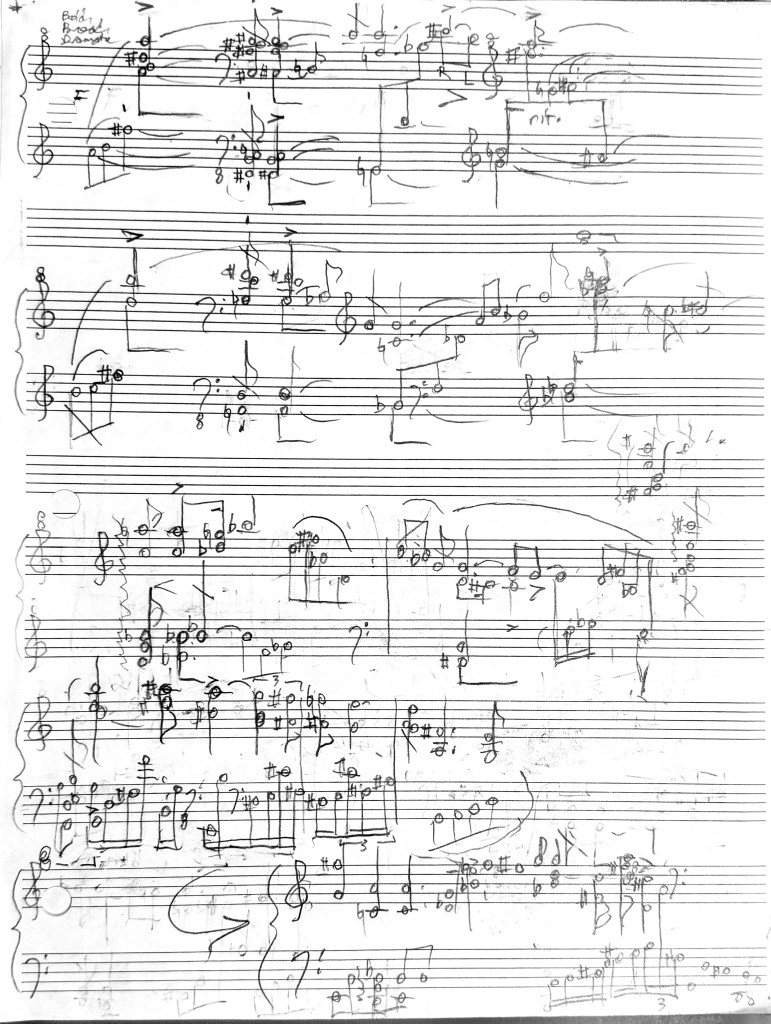
Five miniatures for solo piano on the life of Sophie Scholl and the White Rose Resistance (2025)
Handwritten score and performance recordings. Premiered
- Prelude: “An end in terror is preferable to terror without end“
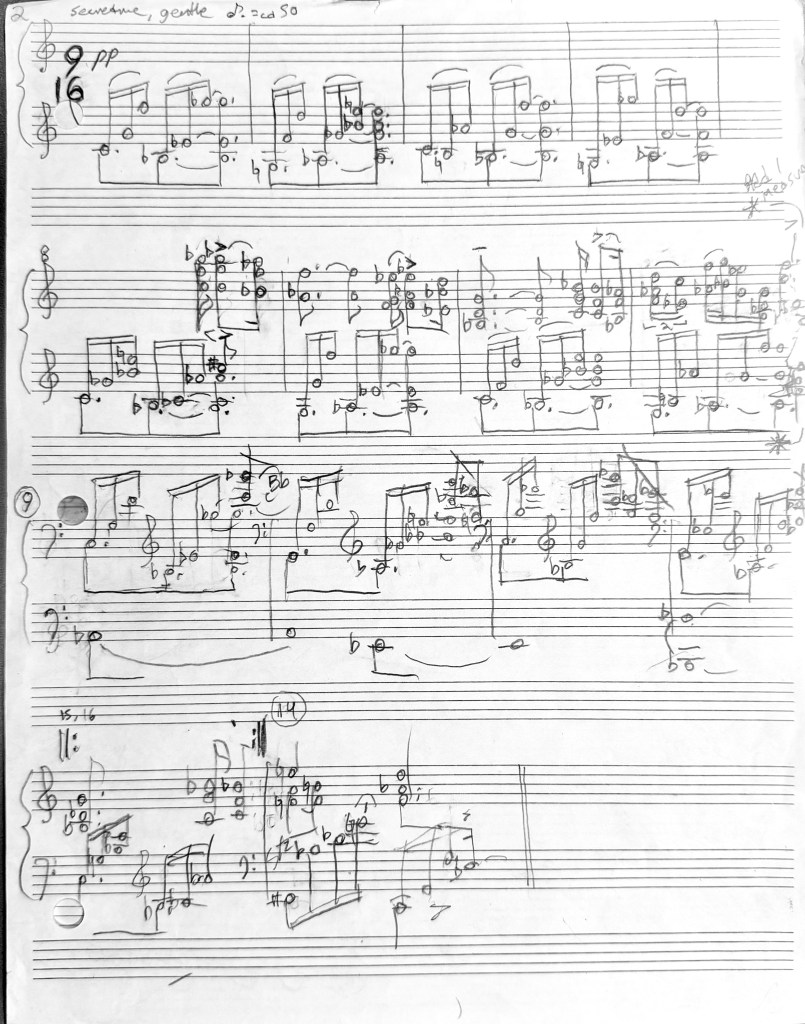
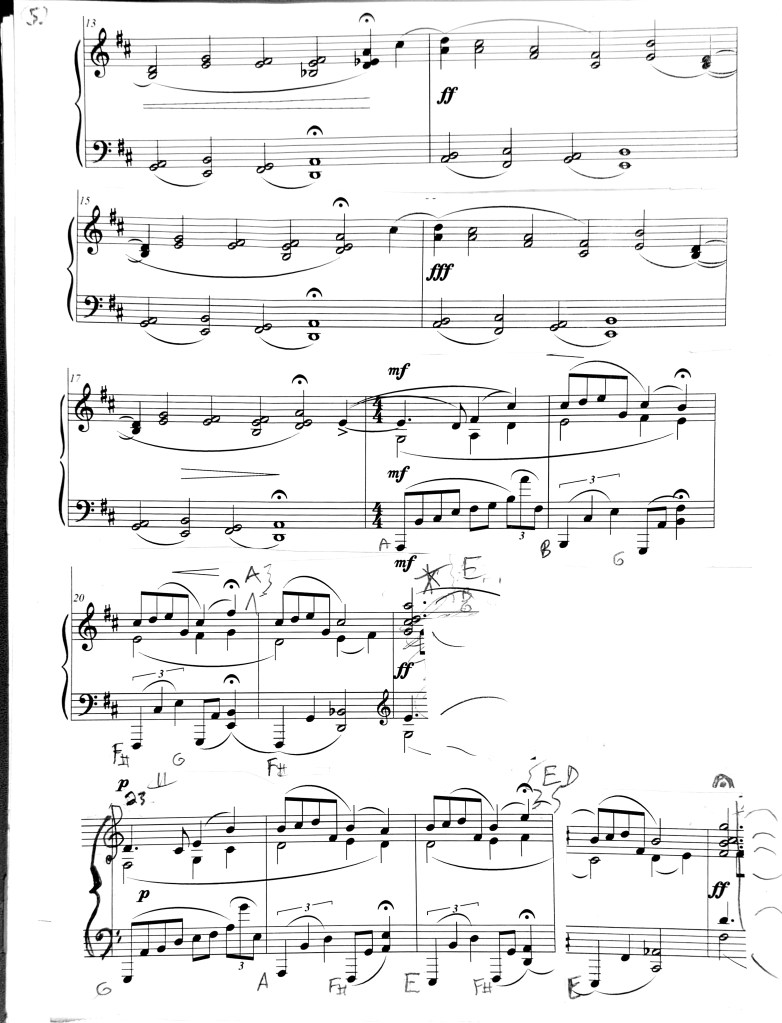
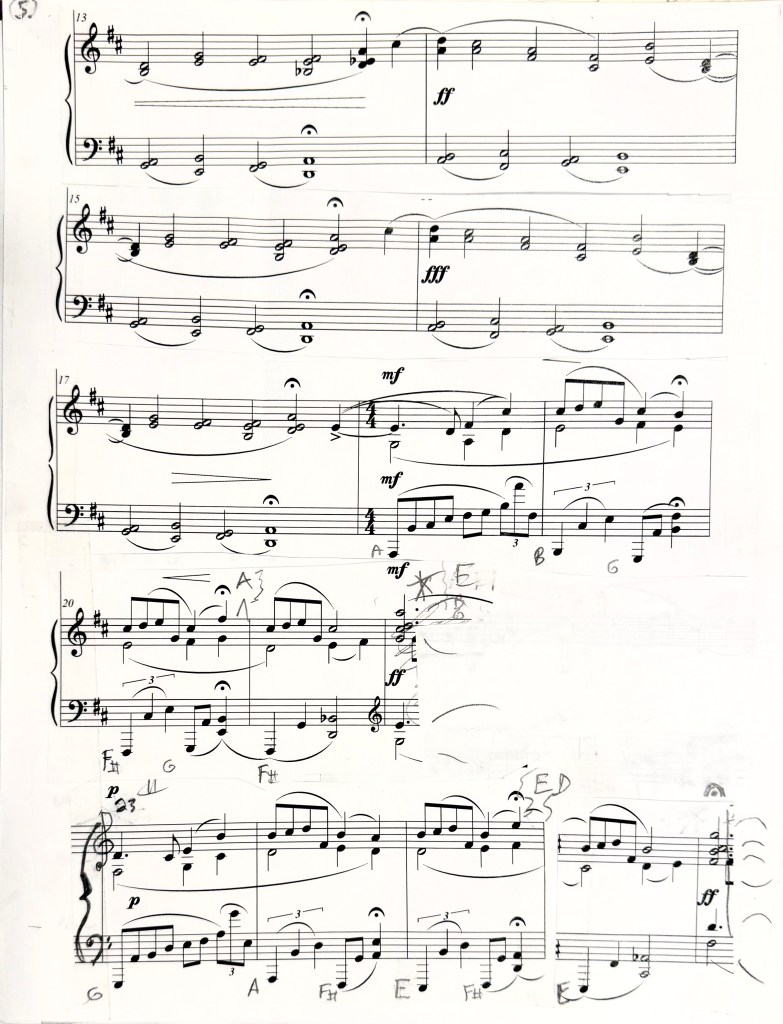
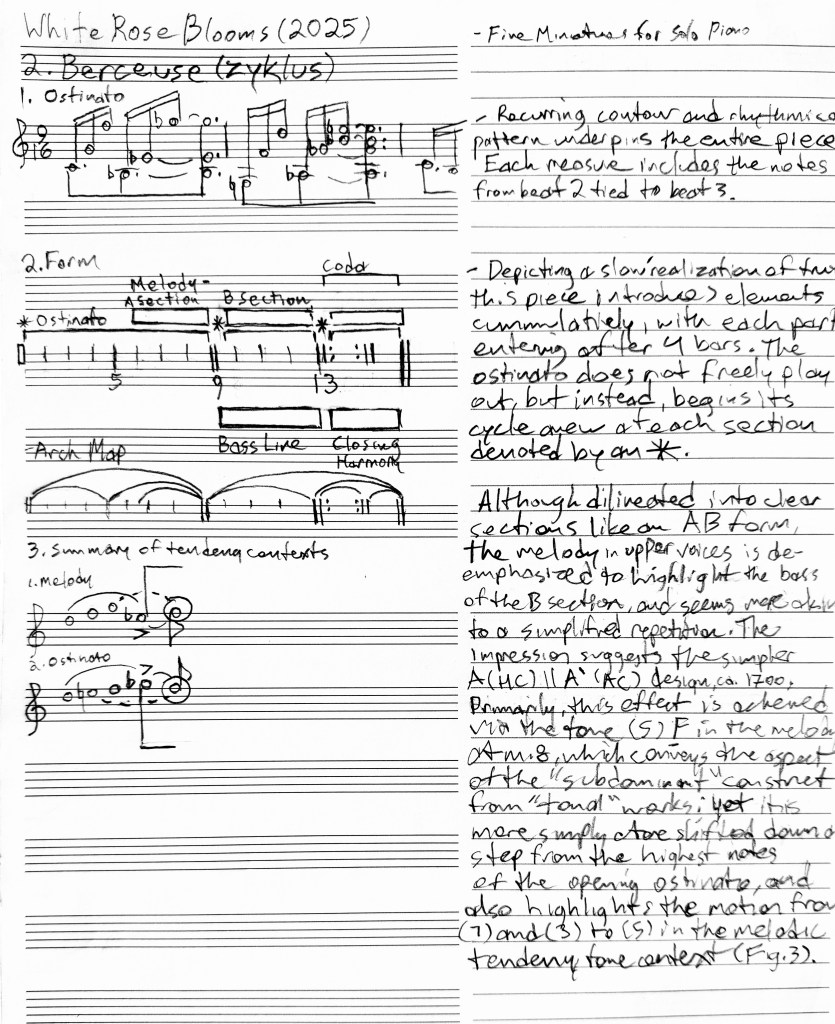
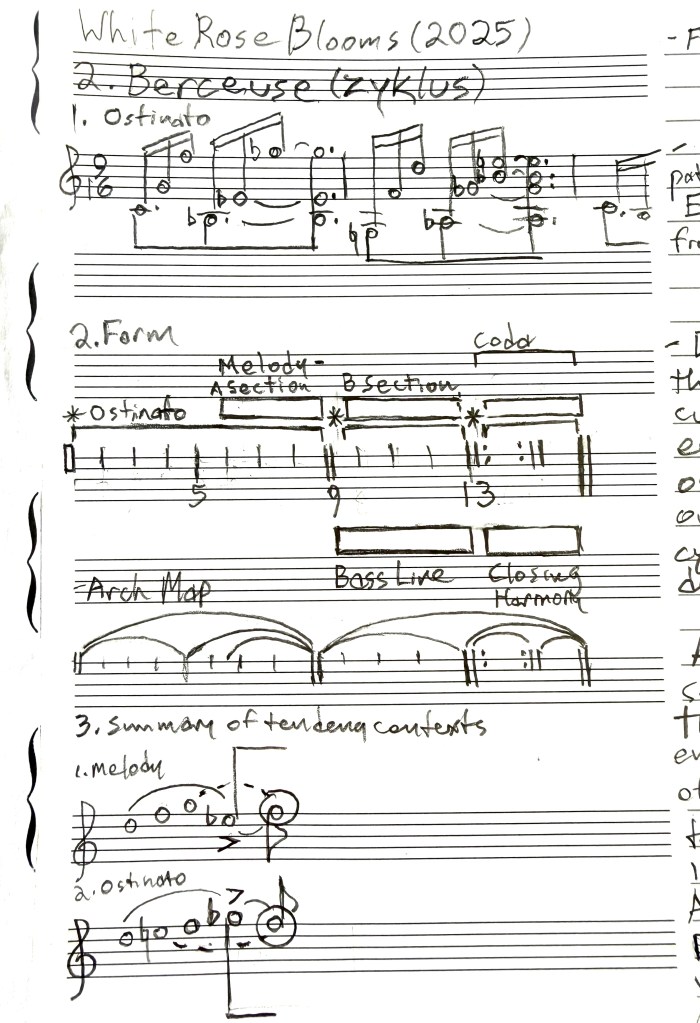
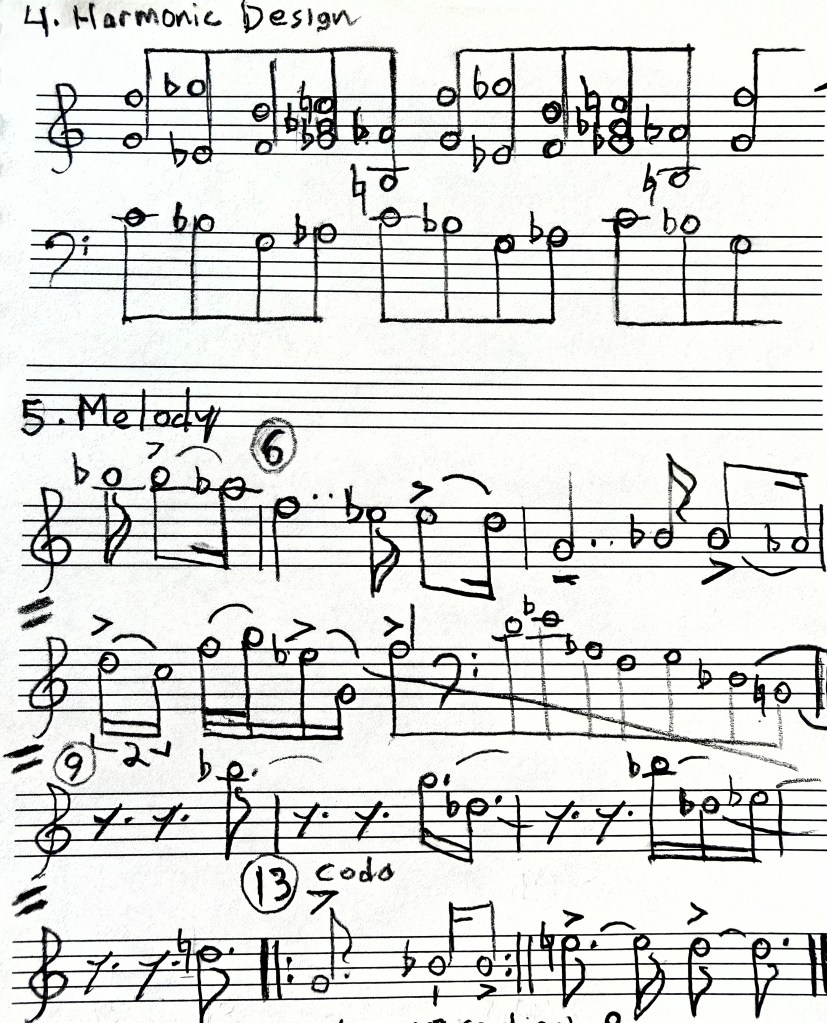
2. Berceuse (Zyklus): The youth see the light of truth
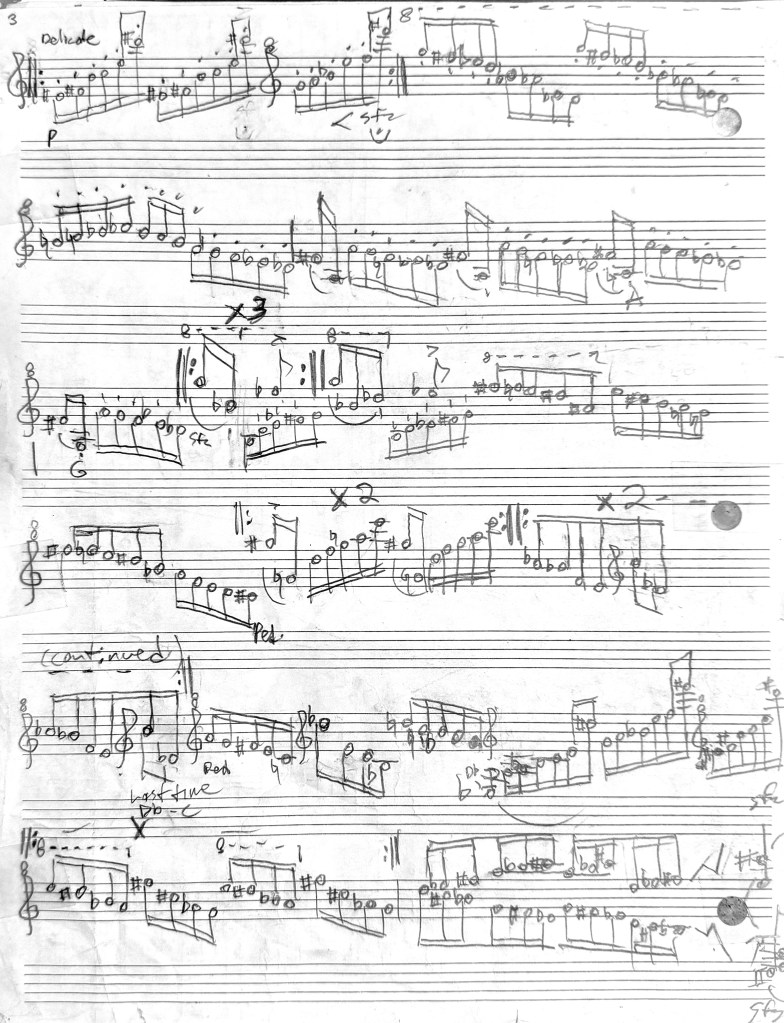
3. Gedicht (poem): The passive resistance & spreading the leaflets
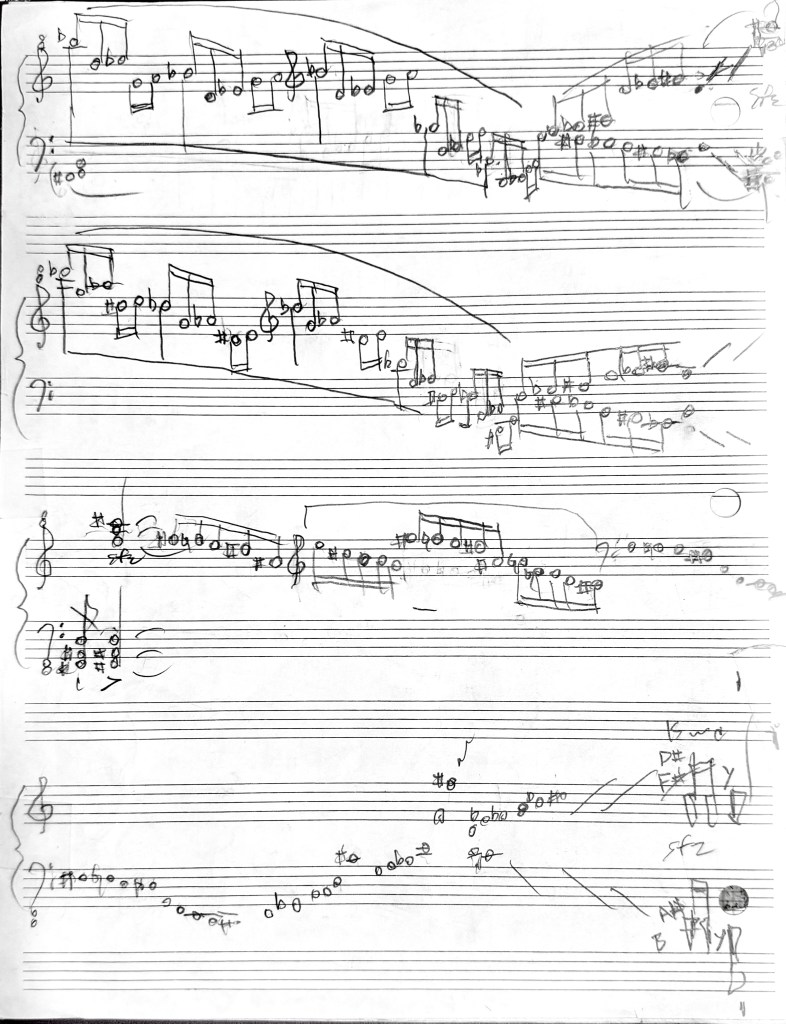
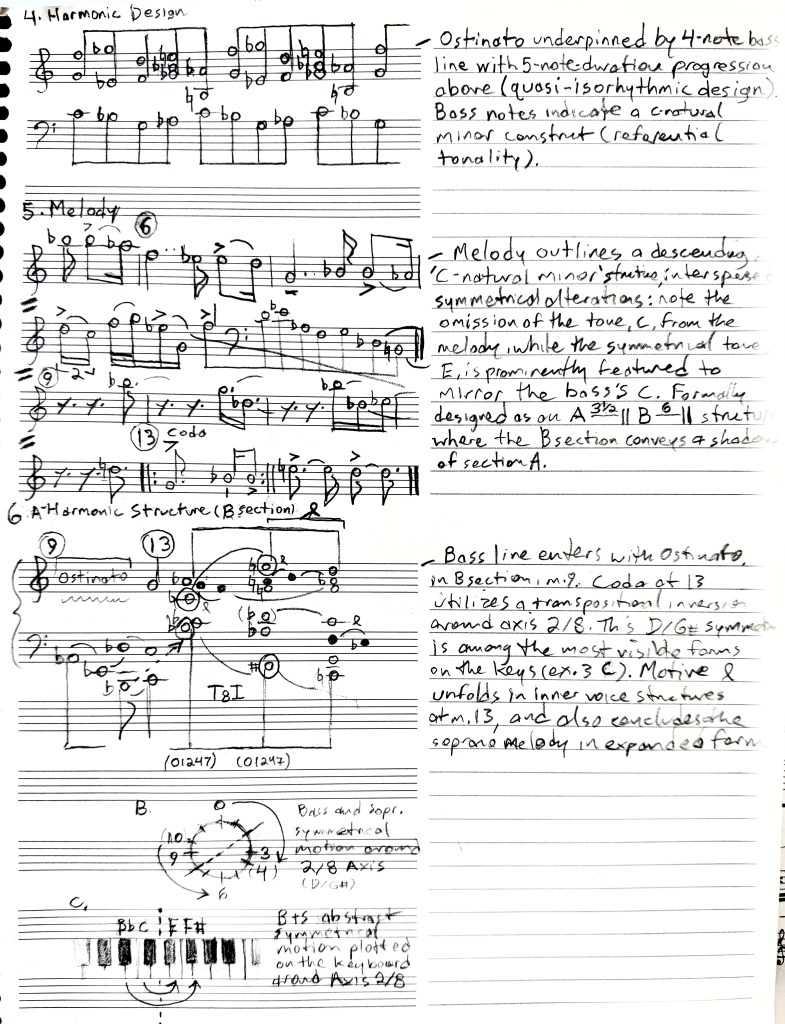
4. Toccata: Arrested, interrogated, condemned

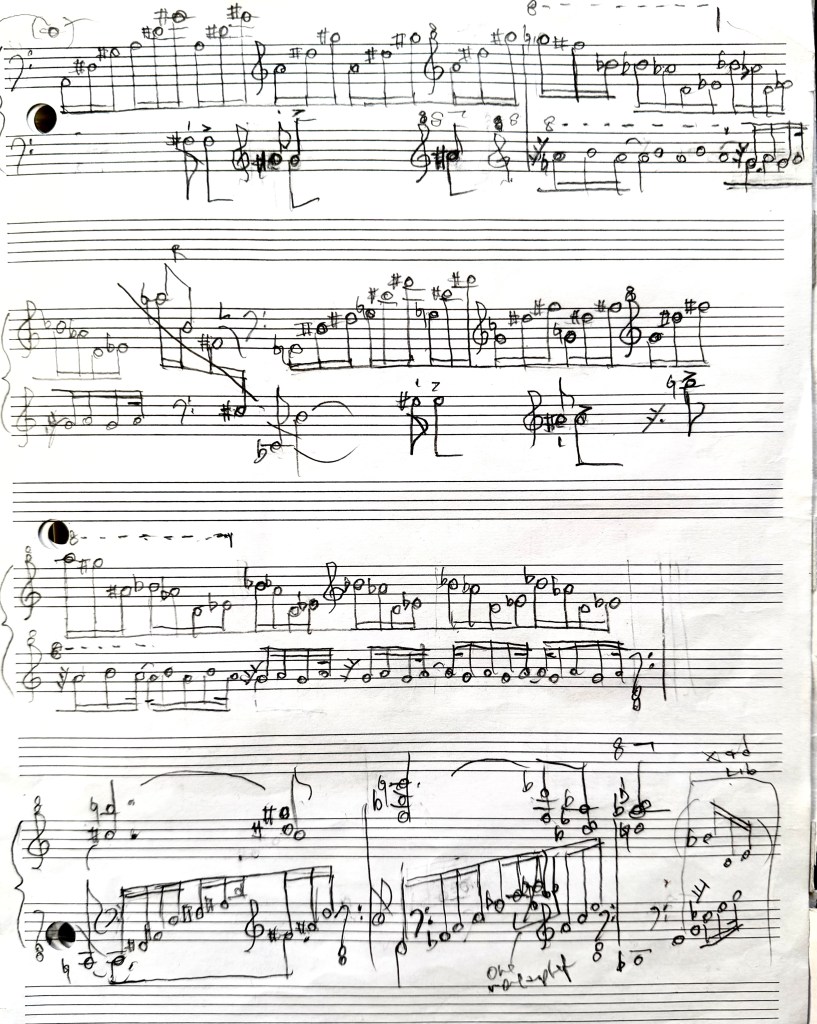
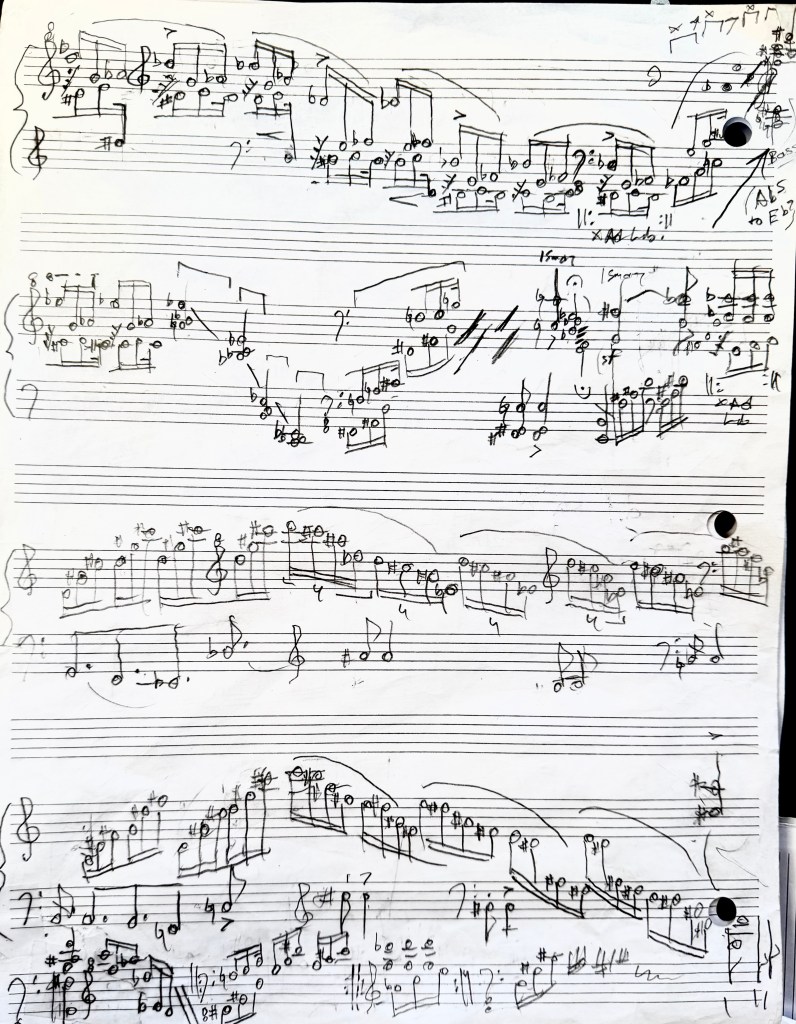
5. Marche funèbre: “The sun still shines!” (Cum vox sanguinis: Hymn for the Feast to St. Ursula)

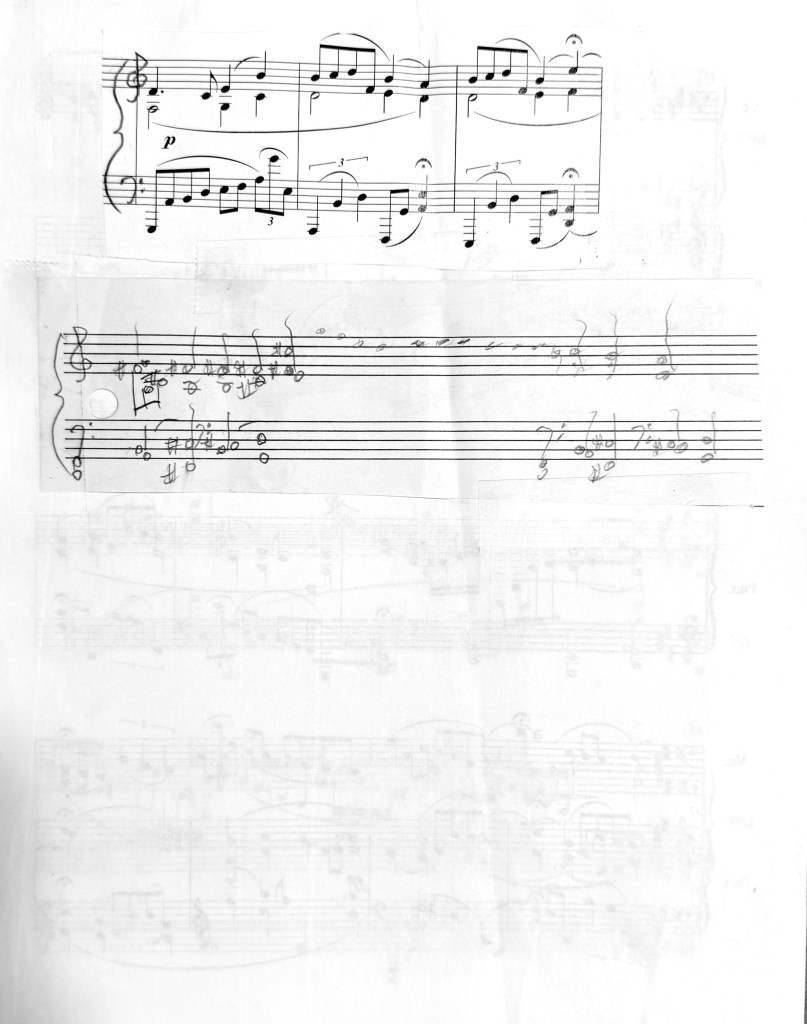
Program Notes
White Rose Blooms is a collection of works honoring the life of Sophie Scholl (1921-1943) and the members of the intellectual, passive-resistance group in 1930s and 40s Nazi Germany called The White Rose. The works are arranged in a quasi-narrative fashion like a small opera depicting the events of Scholl’s life through series of character pieces. A young member of the Bund Deutscher Mädel- the branch of the Hitler Youth for girls, Scholl was inspired in her early teenage years by philosophy of Kierkegaard, Theodor Haecker, and devout Lutheran religious beliefs to take up passive resistance to the Nazi Regime. Arrested for distributing leaflets criticizing the authoritarian German State on the campus of the University of Munich, she and her brother, Hans, were interrogated by the Gestapo before they were quickly sentenced to death for treason. On February 22, 1943, at 5:00 pm, Scholl was beheaded on the German Falbeil (“falling axe” or guillotine) in front of an assembled mass of darkly clad witnesses, officers, and prison officials. Her and her conspirators were permitted to smoke cigarettes together before Sophie stated, “the sun still shines!”. Like a 20th Century iteration of St. Urusla, the brutal and shocking manner of Scholl’s death and her extraordinary courage to the very end inspire one to embrace truth over the quiet safety of silence, and to stand for one’s convictions. These qualities are expressed here through the highest notes in the final piece, derived from the chant tune of Hildegard von Bingen’s Cum vox sanguinis: Hymn for the Feast to St. Ursula (ca. 1175). The musical quote rings out with the same characteristics as the opening gesture, now expanded.
Analysis
No. 2, Berceuse (zyklus)
 Christian M. Newman